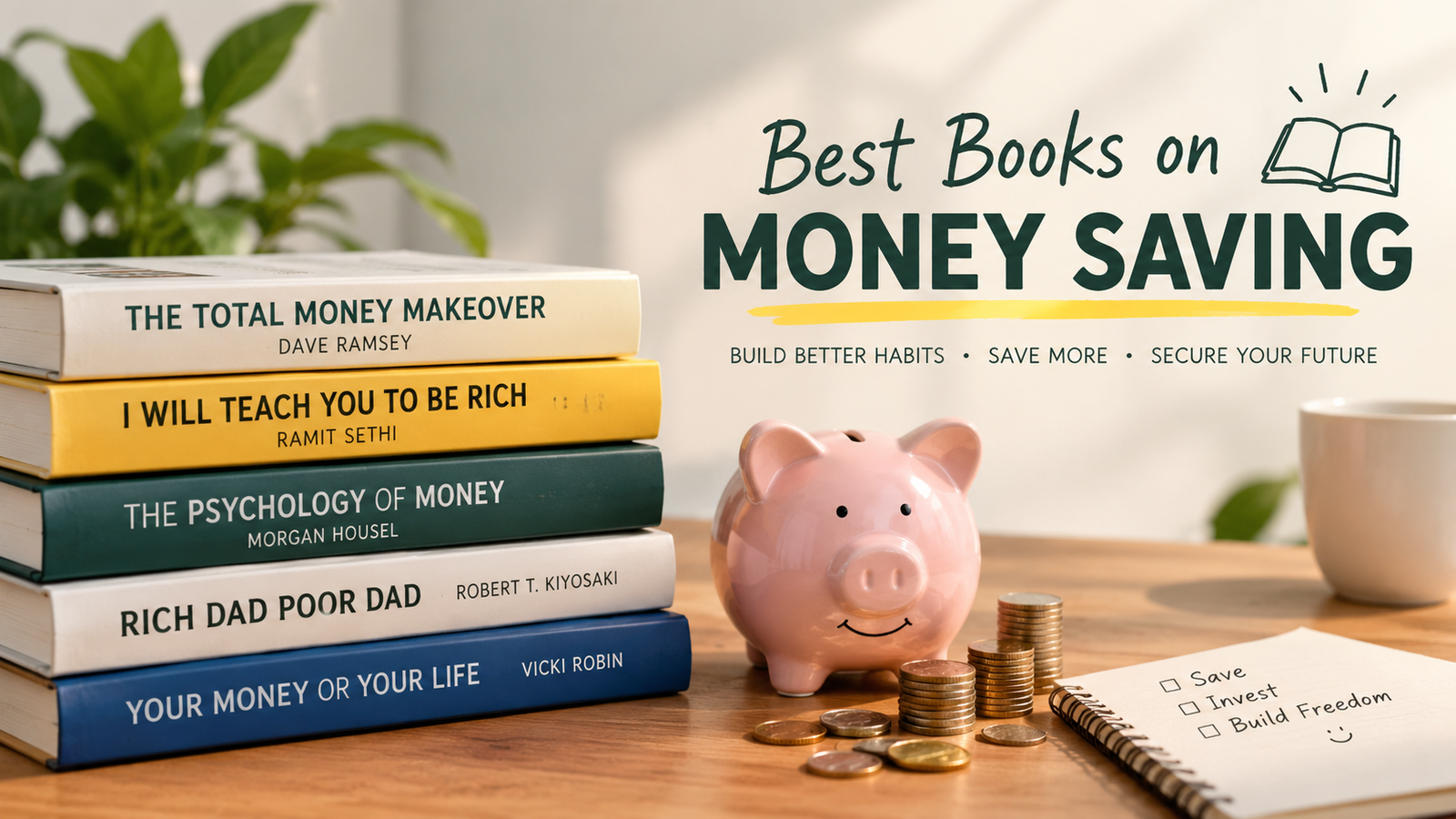
Saving money is one of those things that sounds simple but can be surprisingly difficult. We all know we should spend less, save more, avoid unnecessary debt, and invest for the future. The real challenge is turning those ideas into everyday habits.
The good news is that you don’t need to become a financial expert to improve your money habits. A good personal-finance book can help you understand how money works, why we spend the way we do, and how to build a simple plan for the future.
Here are 10 useful books about saving money, managing personal finances, and building long-term wealth. The ratings below are editorial ratings for readability and practical usefulness, not official reader ratings
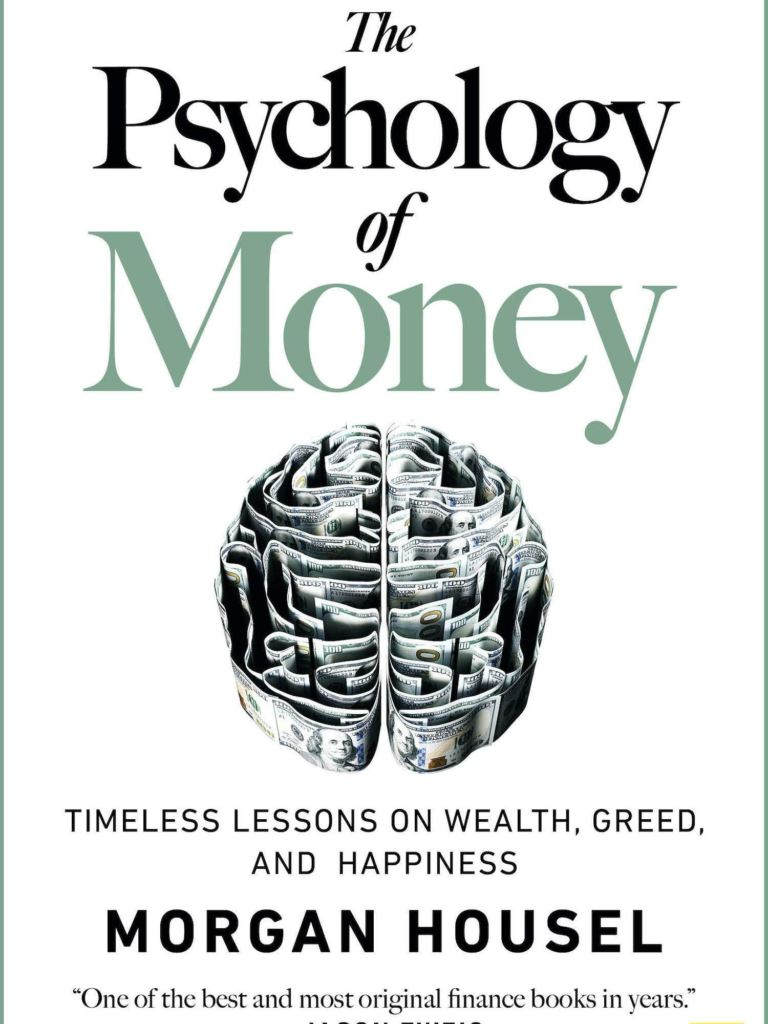
1. The Psychology of Money — Morgan Housel
Rating: ⭐⭐⭐⭐⭐ 5/5
The Psychology of Money is one of the easiest personal-finance books to recommend to a beginner. Morgan Housel focuses less on complicated investment formulas and more on how people think and behave around money.
The book uses short stories to explain ideas such as patience, greed, risk, saving, wealth, and financial independence. One of its central ideas is that being good with money isn’t only about knowing the numbers. Your habits, emotions, experiences, and decisions matter too.
Best for: Understanding your relationship with money.
Why read it: Simple writing, short chapters, and lessons that are easy to remember.
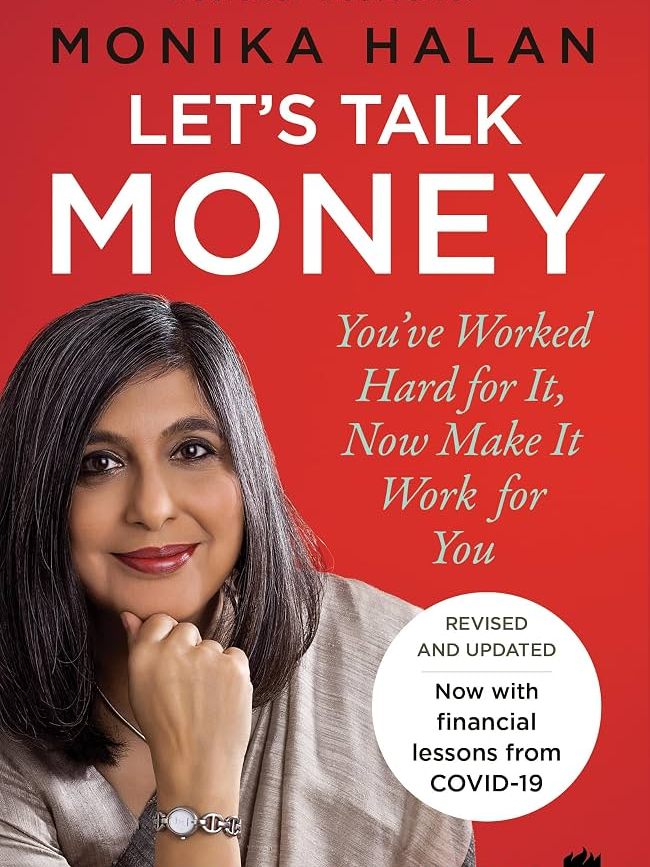
2. Let’s Talk Money — Monika Halan
Rating: ⭐⭐⭐⭐⭐ 4.8/5
If you live in India, Let’s Talk Money is especially useful. Monika Halan explains personal finance with Indian households and financial products in mind.
The book covers topics such as saving, insurance, investing, retirement planning, and managing your overall financial life. The author’s website describes the book as a practical, jargon-free guide designed around the realities of Indian society.
Best for: Indian readers who want a practical introduction to personal finance.
Why read it: It makes money topics easier to understand without drowning the reader in complicated terminology.
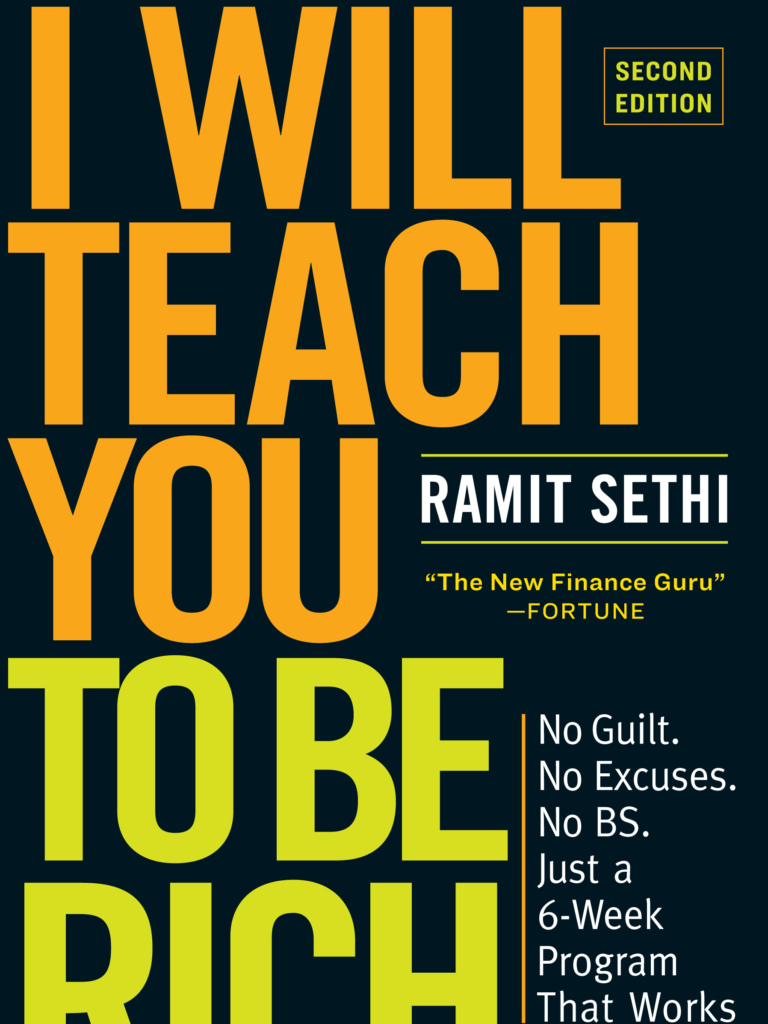
3. I Will Teach You to Be Rich — Ramit Sethi
Rating: ⭐⭐⭐⭐½ 4.7/5
Don’t let the title put you off. This book is less about getting rich quickly and more about creating a simple financial system.
Ramit Sethi discusses spending, saving, banking, investing, debt, and automating your finances. The approach is practical and focuses on creating systems rather than relying entirely on willpower.
Best for: Young adults and beginners who want actionable money habits.
Why read it: It turns personal finance into a series of manageable steps instead of making it feel like homework.
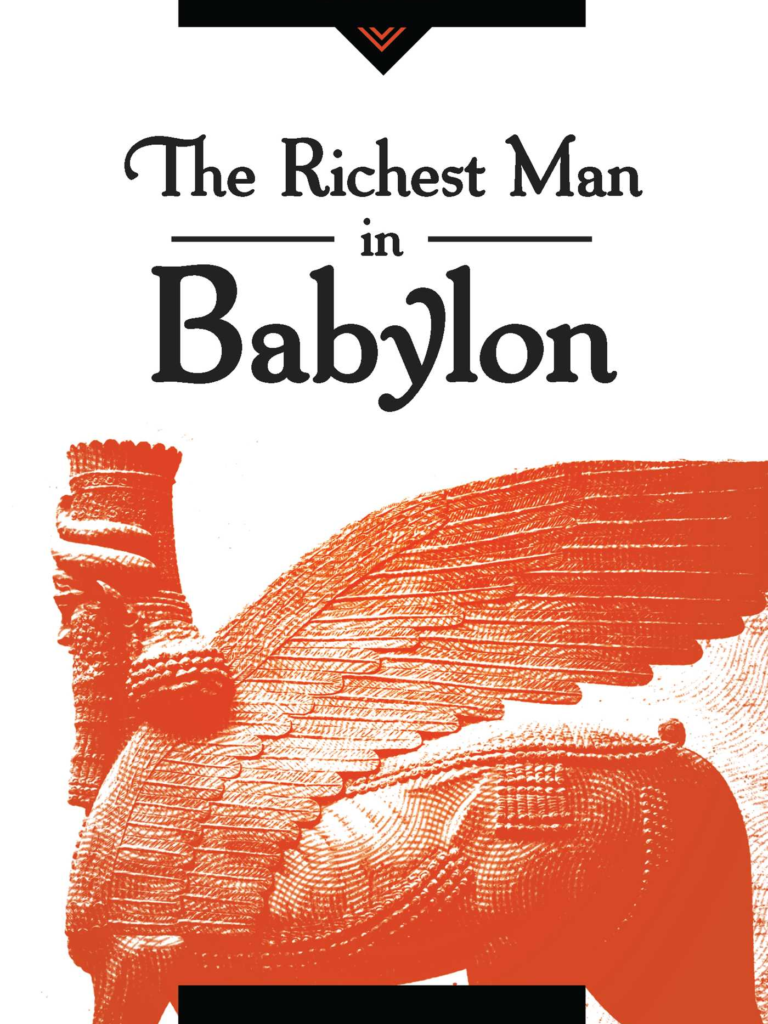
4. The Richest Man in Babylon — George S. Clason
Rating: ⭐⭐⭐⭐½ 4.6/5
First published in 1926, The Richest Man in Babylon remains popular because its basic money lessons are easy to understand. The book teaches financial principles through stories set in ancient Babylon
The lessons include saving regularly, controlling unnecessary spending, making sensible investments, and avoiding financial mistakes.
Best for: Complete beginners.
Why read it: The storytelling makes financial lessons much easier to remember.
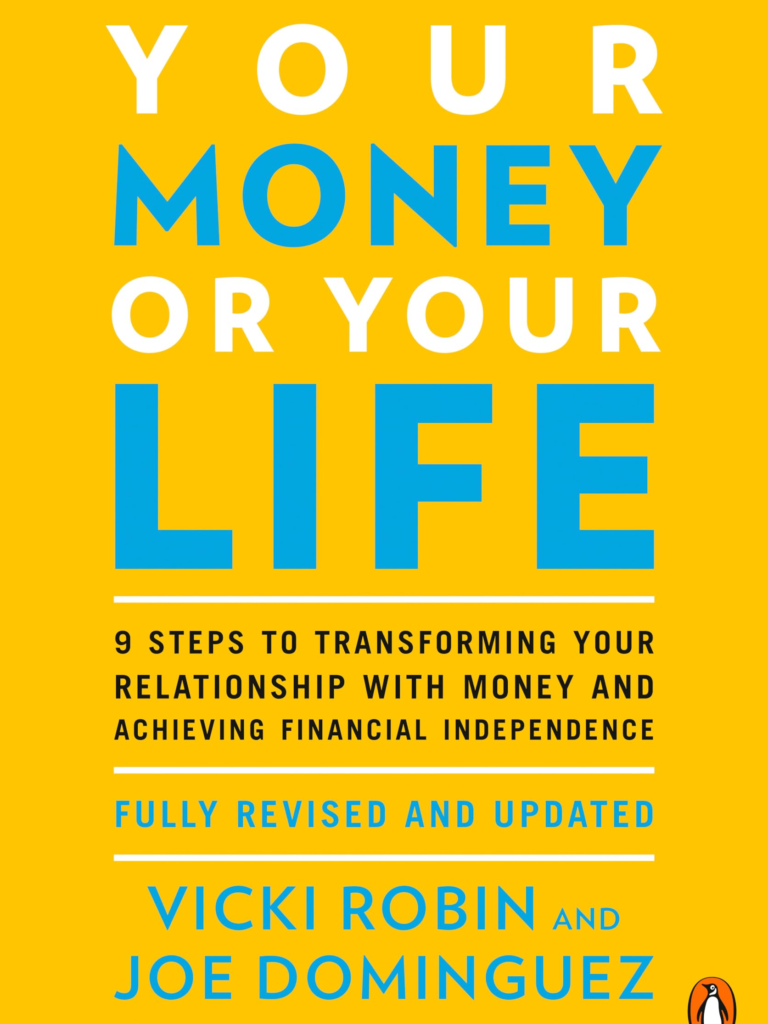
5. Your Money or Your Life — Vicki Robin and Joe Dominguez
Rating: ⭐⭐⭐⭐½ 4.6/5
This book asks an interesting question: What are you really exchanging for the money you earn?
Your Money or Your Life encourages readers to look at the connection between money, work, spending, and time. Its nine-step approach is designed to help people rethink their relationship with money and work toward financial independence.
Best for: People who want to spend more intentionally.
Why read it: It goes beyond budgeting and asks you to think about what money is actually helping you achieve.
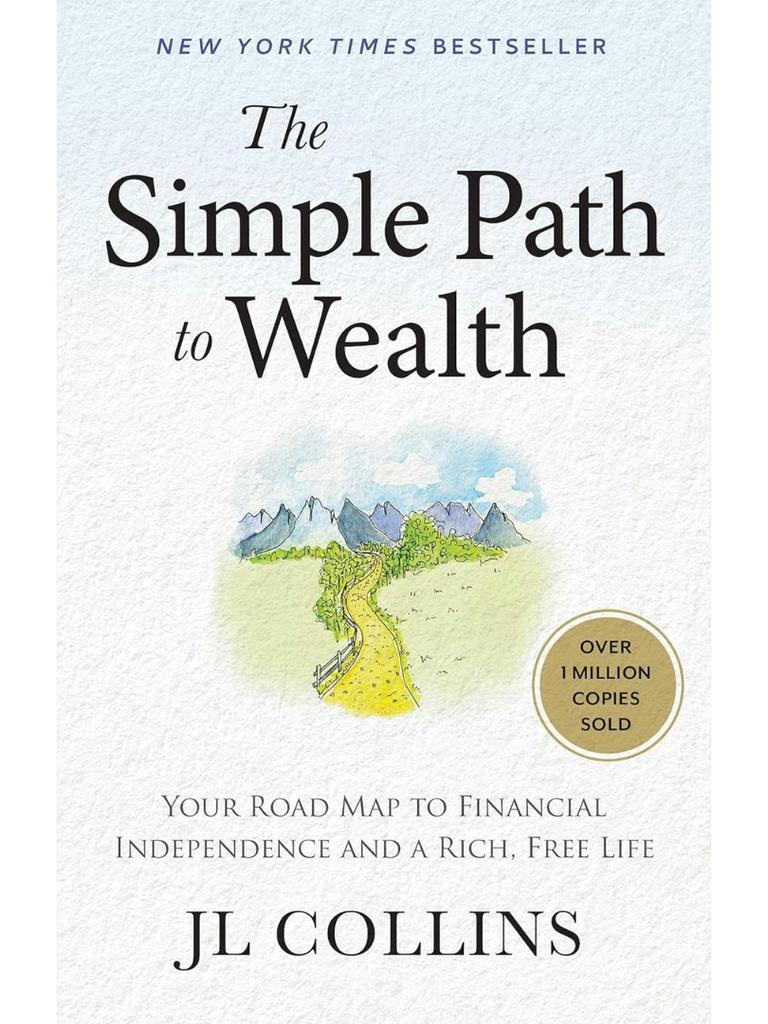
6. The Simple Path to Wealth — J.L. Collins
Rating: ⭐⭐⭐⭐½ 4.5/5
Once you’ve learned the basics of saving, the next question is often: What should I do with the money I’ve saved?
The Simple Path to Wealth focuses heavily on investing and financial independence. The revised edition includes updated information, FAQs, resources, and practical tools.
Best for: Readers who want to understand long-term investing.
Why read it: It tries to simplify investing rather than make it sound mysterious or complicated.
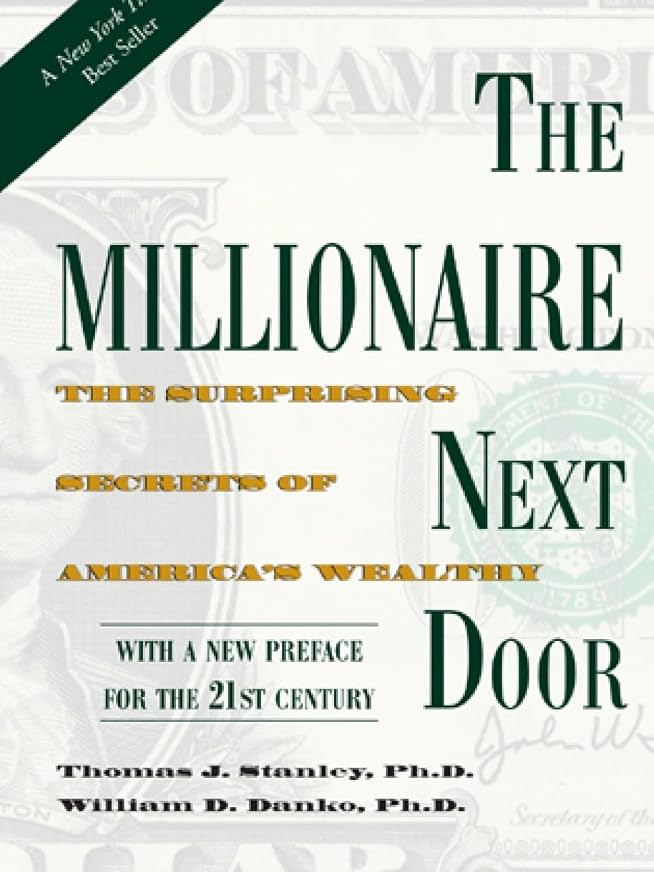
7. The Millionaire Next Door — Thomas J. Stanley and William D. Danko
Rating: ⭐⭐⭐⭐ 4.4/5
This book looks at the habits and financial behaviors associated with wealthy households. One of its major themes is that wealth isn’t always obvious from someone’s lifestyle.
It encourages readers to think about spending, saving, consumption, and building wealth over time rather than simply looking wealthy.
Best for: People who want to understand the habits behind wealth building.
Why read it: It challenges the idea that earning a lot automatically means becoming wealthy.
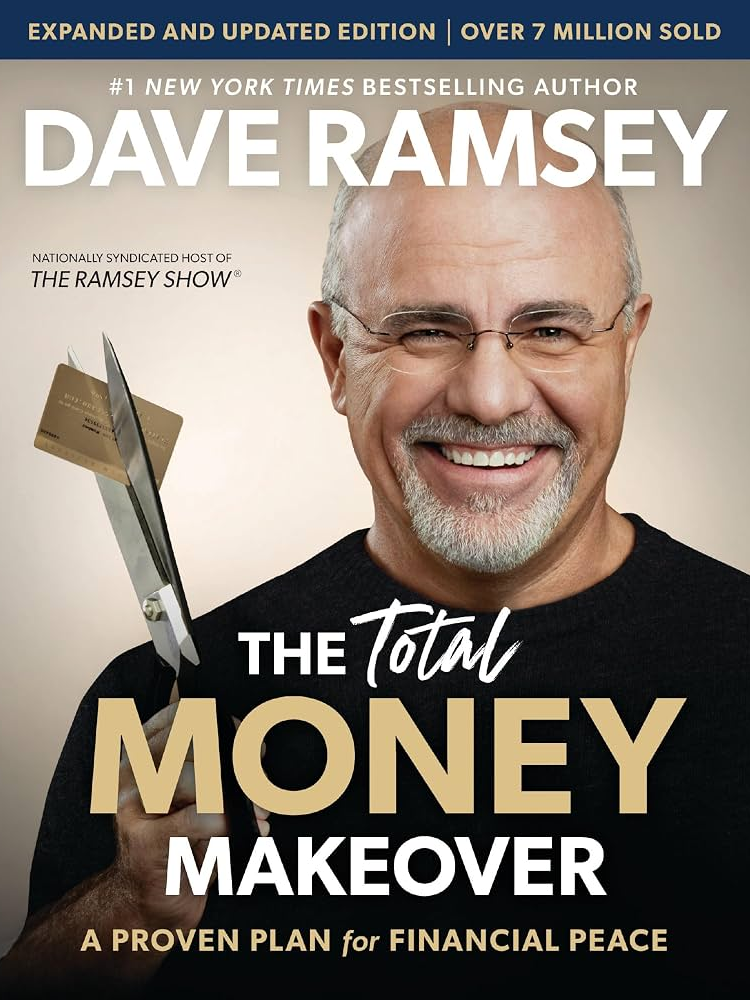
8. The Total Money Makeover — Dave Ramsey
Rating: ⭐⭐⭐⭐ 4.3/5
The Total Money Makeover takes a very structured approach to personal finance. It focuses particularly on budgeting, reducing debt, building emergency savings, and developing better financial habits. The 2024 updated edition continues this focus on debt reduction, saving, budgeting, and long-term financial planning.
Best for: People who feel overwhelmed by debt or disorganized finances.
Why read it: The approach is straightforward and gives readers a clear sequence of financial steps.
9. The Intelligent Investor — Benjamin Graham
Rating: ⭐⭐⭐⭐ 4.2/5
This is the most advanced book on our list. The Intelligent Investor was originally published in 1949 and is associated with the principles of value investing. Modern editions include updates and commentary intended to put Graham’s ideas into a more contemporary context.
This isn’t really a book about saving money from your monthly salary. Instead, it’s more appropriate once you’ve built savings and want to learn about investing.
Best for: Readers who want to go deeper into investing.
Why read it: It introduces concepts such as long-term thinking, valuation, discipline, and managing investment risk.
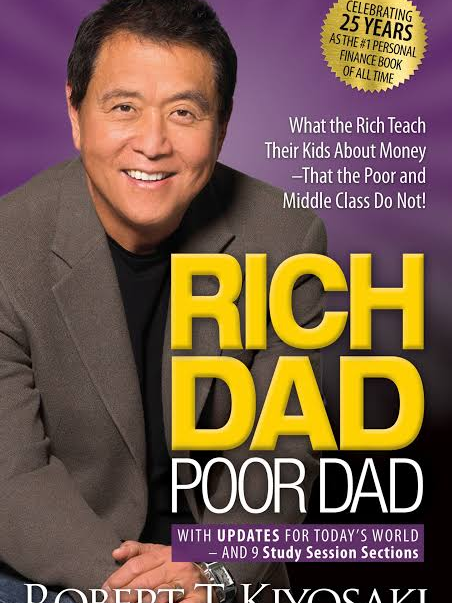
10. Rich Dad Poor Dad — Robert T. Kiyosaki
Rating: ⭐⭐⭐⭐ 4.0/5
Rich Dad Poor Dad is a popular personal-finance book that discusses financial education, assets, liabilities, income, and different ways of thinking about money. Penguin Random House India’s listing describes the book as focusing on financial lessons that aren’t usually taught in school.
Some of the book’s ideas are presented through personal stories and should be treated as perspectives rather than universal financial rules.
Best for: Beginners who want to start thinking differently about money and wealth.
Why read it: It encourages readers to become more aware of where their money comes from and where it goes.
Final Thoughts
You don’t need to read all 10 books at once. In fact, one good book followed by action is probably more useful than reading 10 books without changing your financial habits.
If you’re completely new to personal finance, start with:
The Psychology of Money → Let’s Talk Money → I Will Teach You to Be Rich
If your main problem is spending too much, try The Psychology of Money or Your Money or Your Life.
If you’re dealing with debt, The Total Money Makeover provides a structured approach.
If you want to learn about investing, move on to The Simple Path to Wealth and eventually The Intelligent Investor.
And if you’re an Indian reader, Let’s Talk Money is worth considering because it discusses personal finance in an Indian context.
The most important lesson from all these books is simple: saving money is not about never spending. It’s about making intentional decisions with the money you earn.
Start small. Save consistently. Spend intentionally. Invest patiently.